
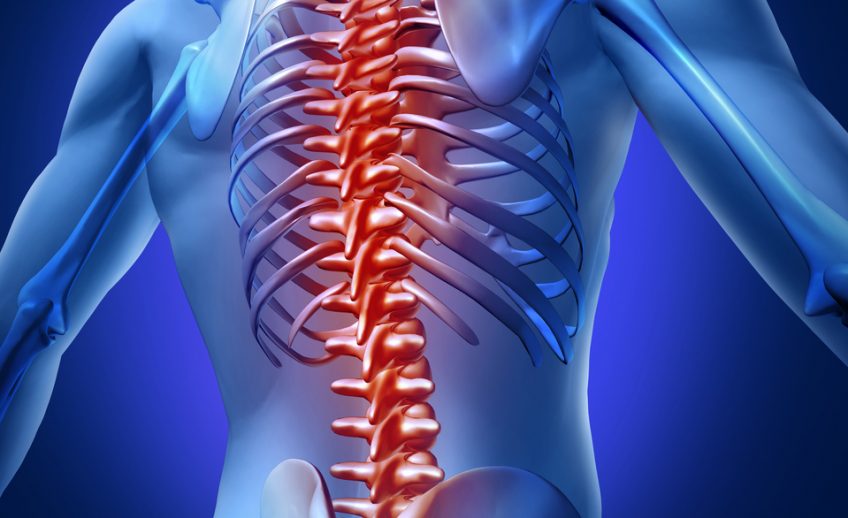
Upper back pain, also called thoracic spine pain (TSP), occurs in the mid and upper back between the base of the neck and the bottom of the rib cage. This area, made up of 12 vertebrae (T1–T12), is less mobile than the neck or lower back because it’s attached to the ribs and primarily supports and protects vital organs physical-therapy.us+1.
Common Causes
Posture and muscle strain: Poor posture, sedentary habits, or slouching can weaken upper back muscles and cause strain Medical News Today.
- Muscle overuse: Repetitive movements (e.g., sports throwing, heavy lifting, twisting) can lead to strain or tightness Medical News Today.
- Trauma: Falls, car accidents, or lifting injuries can cause fractures, dislocations, or nerve compression Medical News Today.
- Herniated disc or pinched nerve: Discs in the thoracic spine can bulge and press on nerves, causing pain, numbness, or weakness Medical News Today.
- Degenerative changes: Osteoarthritis, disc degeneration, or spinal stenosis can develop over time www.mwpain.com.
- Internal conditions: Rarely, upper back pain can signal serious issues like spinal infections, tumors, or lung cancer Medical News Today
Symptoms
Pain can be sharp, dull, aching, burning, or radiating, and may be accompanied by muscle spasms, tingling, or weakness. Chronic pain lasting 12+ weeks is considered persistent Cleveland Clinic.
Treatment
- Non-surgical: Physical therapy, stretching, posture correction, heat/cold therapy, and pain management (medication, injections) are common physical-therapy.us+1.
- Surgical: Rarely needed, but may be considered for severe structural issues